
Spring in the Tulsa metro brings a particular kind of exhaustion that millions of patients across the country experience without ever questioning its origin. The conventional explanation lands on allergies, with pollen counts surging through grass and tree season and antihistamines producing a well-known sedating effect that compounds the seasonal malaise. The pollen is real, the antihistamine fatigue is real, and yet for a significant portion of patients, the exhaustion that arrives each spring is not primarily allergic at all.
The deeper driver in many cases is adrenal dysfunction, a pattern of disrupted cortisol production that conventional medicine rarely investigates because the standard workup for fatigue typically stops at thyroid screening and a complete blood count. When those return within range, patients are told their fatigue is unexplained, and the spring timing gets attributed to allergies by default. The functional medicine perspective looks deeper, examining cortisol rhythms, HPA axis function, and the seasonal stressors that push the adrenal system past its capacity. It also looks at how the adrenals connect to everything else, since this is rarely a problem to solve in isolation.
What the Adrenal Glands Actually Do
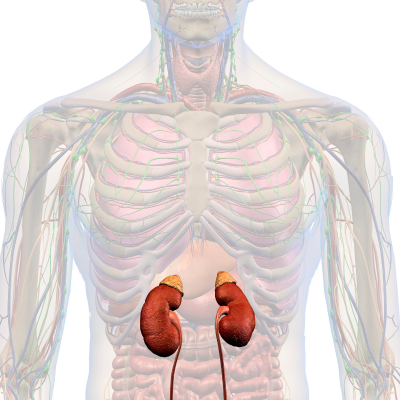
The adrenal glands are two small glands sitting atop the kidneys, responsible for producing cortisol, DHEA, adrenaline, and several other hormones critical for energy production, stress response, blood sugar regulation, and inflammation control. Cortisol in particular follows a daily rhythm called the diurnal pattern, in which levels rise sharply in the morning to wake the body, taper gradually through the day, and reach their lowest point around midnight to allow restorative sleep.
When this rhythm is disrupted, the consequences extend far beyond fatigue. Patients with adrenal dysfunction often experience difficulty waking despite adequate sleep, energy crashes in the late morning and afternoon, second-wind energy in the evening that prevents falling asleep, and a general sense that the body’s energy system is out of sync with the demands placed on it.
Why Spring Specifically Triggers Adrenal Stress
Several seasonal factors converge in spring to push the adrenal system past its capacity in ways that are not obvious from a calendar. The shift from winter to longer daylight hours disrupts circadian rhythm and cortisol patterns for several weeks. Allergen exposure produces a low-grade chronic inflammatory response that the adrenals must compensate for. School-year activities and end-of-year commitments accelerate just as families prepare for summer schedule changes. Allergy medications, particularly decongestants, place additional stress on adrenal function. The combination of these inputs over weeks and months creates exactly the kind of sustained, low-grade stress that adrenal dysfunction develops in response to.
Five Signs the Fatigue Is Adrenal, Not Allergic
You wake up exhausted no matter how long you sleep. True adrenal dysfunction often presents as feeling unrefreshed by sleep, with patients reporting that ten hours feels the same as six and the body simply cannot recover. Allergy-driven fatigue typically improves with rest, while adrenal dysfunction does not.
Energy crashes in the late morning and mid-afternoon. Patients with disrupted cortisol patterns frequently describe a specific pattern of falling off an energy cliff around ten in the morning and again around two or three in the afternoon, often requiring caffeine or sugar to push through. This pattern reflects the cortisol curve dropping at the wrong times and is distinct from the consistent low-energy state allergies typically produce.
Salt and sugar cravings have intensified. Adrenal dysfunction influences sodium balance and blood sugar regulation, which often produces strong cravings for salty foods and sugar that were not previously notable. Patients describe needing salt on everything or finding themselves reaching for sweet snacks throughout the day despite knowing better.
Standing up produces dizziness or lightheadedness. Adrenal dysfunction commonly affects blood pressure regulation, particularly the rapid adjustments required when moving from sitting to standing, which can produce a brief sense of lightheadedness, blurred vision, or wooziness. This is called orthostatic intolerance and is a recognized feature of HPA axis dysfunction.
The evening brings a second wind that disrupts sleep. A hallmark of disrupted cortisol rhythm is energy returning in the evening hours just when the body should be winding down. Patients describe feeling exhausted all day and then suddenly alert at nine or ten at night, unable to fall asleep until well past midnight despite the fatigue. This reversal of the normal cortisol pattern is one of the more specific signs that adrenal function is the issue.
How Functional Medicine Investigates Adrenal Function
Assessing adrenal function well means looking at the whole daily pattern, not a single reading. A one-time cortisol measurement is essentially useless for this, since the rhythm is the entire point and cannot be evaluated from a single data point. Rather than one snapshot, we run labs from multiple viewpoints, measuring adrenal function through your stress hormones across the full day, so we can see the actual rhythm, how much the body is producing, and how it is processing stress hormones over time. That fuller picture is what lets us identify which specific pattern of adrenal dysfunction is present and address it in the right order rather than guessing. We are also intentional about making sure you fully understand your own results, because that shared understanding is what empowers us to make the best decisions for your health together, based on what your body actually needs. This is a partnership, not a checklist handed to you on your way out the door.
What an Adrenal Protocol Typically Includes
Functional medicine protocols for adrenal dysfunction are highly individualized based on what testing reveals, and just as important, they are worked through in the right order. Nutritional changes typically emphasize stable blood sugar through balanced meals containing protein, healthy fats, and fiber at regular intervals, since blood sugar crashes are a major driver of cortisol disruption. Sleep hygiene work addresses the cortisol rhythm directly, with morning sunlight exposure, evening light reduction, and consistent sleep timing as foundational practices.
Targeted supplementation often includes adaptogenic herbs that support the HPA axis, B vitamins and magnesium that act as cofactors for adrenal hormone production, and in specific cases low-dose DHEA when testing reveals depletion. Lifestyle interventions focus on reducing the chronic stressors keeping the system activated, which often requires honest conversations about workload, relationships, and recovery practices.
Why This Matters Beyond Energy
Untreated adrenal dysfunction has consequences that extend well beyond fatigue, since cortisol patterns influence thyroid hormone conversion, sex hormone balance, immune function, blood sugar regulation, and inflammation throughout the body. Patients with longstanding adrenal dysfunction frequently develop thyroid issues, hormone imbalances, autoimmune conditions, and metabolic problems downstream from the original cortisol disruption. This is exactly why we do not treat the adrenals in isolation. Addressing adrenal function early, as one connected part of the whole system, protects against this cascade and is one of the highest-leverage interventions in functional medicine.
Next Steps
For Tulsa patients whose spring fatigue is not responding to the usual allergy interventions, a functional medicine workup that looks at adrenal function from multiple viewpoints may reveal the underlying driver. Rather than chasing one symptom at a time, the goal is to understand how everything is connected and address it in the order that lets the body heal the way it was designed to. The FNR team works with patients across the Tulsa metro on adrenal and HPA axis dysfunction as part of a broader approach addressing stress, mood, and sleep, and a free Discovery Call is the easiest way to talk through symptoms and determine the right next step.


